A bathroom floor is something you use every single day, but you only notice it when it starts causing problems. Cold tiles in winter, slippery surfaces after a shower, or flooring that wears out too soon can make your bathroom less comfortable and more expensive to maintain.
That is why picking the right bathroom flooring is an important part of any renovation. A good floor should handle daily water, stay strong through cold Canadian winters, and match the style of your home. With so many bathroom flooring options available today, it is not always easy to know which one is the right fit.
In this guide, you will find the best bathroom flooring materials, practical bathroom flooring ideas, cost factors, and simple tips to help you choose flooring that suits your home, your budget, and your everyday life.
Best Bathroom Flooring Options for Your Home
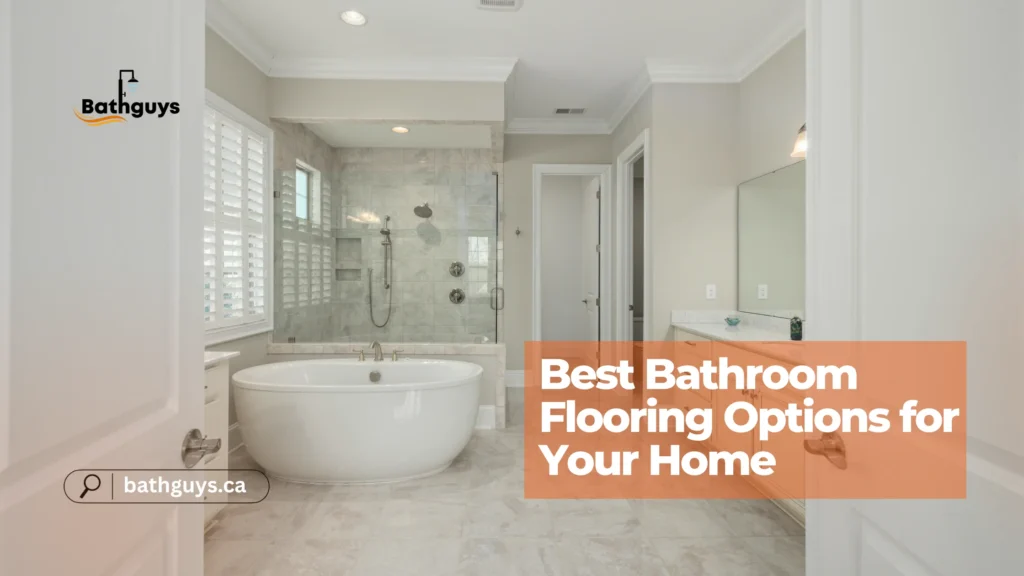
Picking the right bathroom flooring can make a big difference in how your bathroom looks and feels. Some floors have a modern style, while others give your bathroom a warm or classic look. With so many bathroom flooring options available, it helps to know what each one offers before you make your decision.
Here are some of the most popular bathroom flooring materials for Canadian homes.
Porcelain Bathroom Tiles
Porcelain bathroom tiles are one of the top choices for many homeowners. They come in many colours, sizes, and styles, so it is easy to find a design that matches your bathroom. If you want a floor that looks clean and stylish, porcelain tiles are a great option.
Ceramic Bathroom Tiles
Ceramic bathroom tiles are a popular choice for both small and large bathrooms. They are available in many colours and patterns, making it easy to match your bathroom design. If you like a simple and timeless look, ceramic tiles are a good choice.
Luxury Vinyl Bathroom Flooring
Luxury vinyl bathroom flooring is a great option if you want the look of wood or stone without spending as much. It comes in many designs and colours, so it works well with both modern and traditional bathrooms. It also feels more comfortable to walk on than many hard floors.
Natural Stone Bathroom Flooring
Natural stone bathroom flooring gives your bathroom a beautiful and premium look. Stone options like marble, slate, and granite have natural colours and patterns that make every floor unique. If you want a bathroom with a more elegant style, natural stone is a great choice.
Why Choosing the Right Bathroom Flooring Matters for Your Home
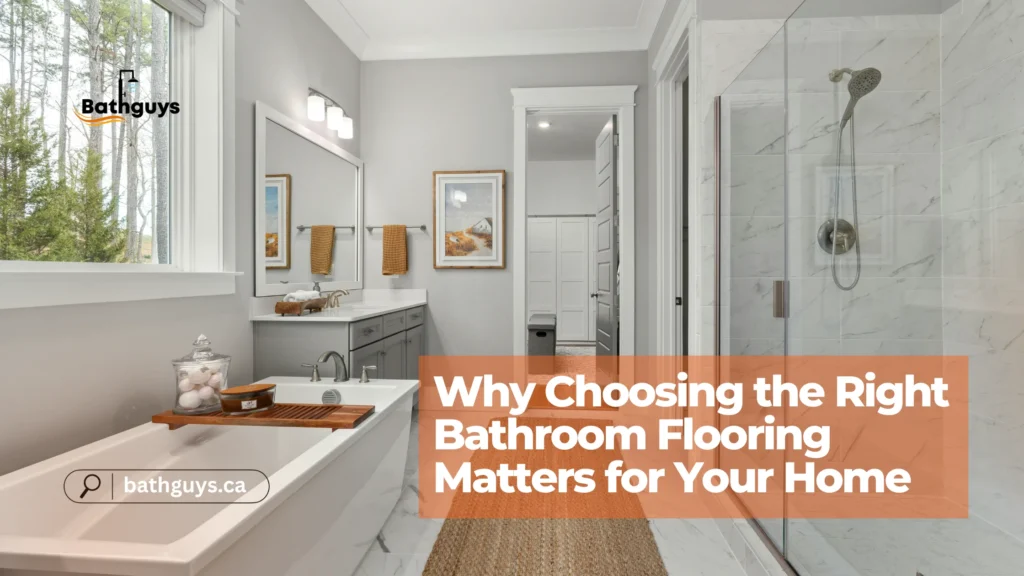
Your bathroom is one of the most used rooms in your home. You walk on the floor every day, so it should look good and work well for your daily life. That is why choosing the right bathroom flooring is an important part of any bathroom renovation.
In Toronto and across the GTA, your bathroom floor needs to handle cold winters, daily foot traffic, and water from showers and sinks. If you choose the wrong flooring, it may wear out faster and need to be replaced sooner than you expected. Picking the best bathroom flooring from the start can save you time, money, and future repairs.
If you are planning to renovate your bathroom or start a remodeling project, it is worth thinking about your flooring before the work begins. At BathGuys, we help homeowners choose flooring that suits their home, style, and everyday needs.
This bathroom flooring guide will help you choose a floor that looks great, fits your lifestyle, and gives you lasting value for years to come.
Waterproof Bathroom Flooring That Protects Your Home
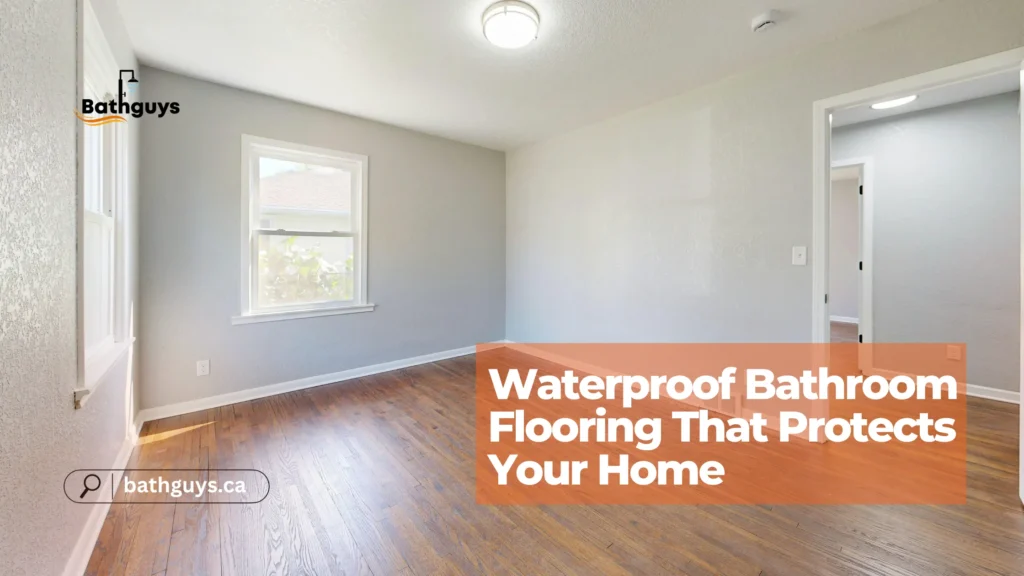
Why waterproof flooring matters
- Waterproof bathroom flooring helps protect your floor from water, spills, and daily splashes.
- It helps keep water from getting into the floor and causing damage.
- This is helpful in bathrooms where the floor gets wet often.
Moisture resistance
- Moisture resistant flooring can handle water and damp air in your bathroom.
- Waterproof vinyl flooring helps keep water from reaching the floor underneath.
- Waterproof bathroom floor tiles are also a good option for wet areas.
Slip resistance
- A wet floor can be slippery and unsafe.
- Non slip bathroom flooring can give you a better grip when you walk.
- Anti-slip bathroom flooring works well near showers, tubs, and sinks.
Mold prevention
- Water trapped under the floor can lead to mold.
- Waterproof flooring helps keep water from getting into the floor.
- Cleaning up water quickly and keeping the floor dry can also help prevent mold.
Bathroom Flooring Comparison: Which Option Is Right for You?
Every bathroom has different needs. Some floors are better for wet areas, while others are easier to clean or cost less. This bathroom flooring comparison can help you compare the main bathroom flooring types before making a decision.
| Flooring Type | Waterproof | Durability | Maintenance | Average Price* | Heated Floor Compatible | Best For |
| Porcelain Tile | Yes | High | Easy | $5–$15/sq. ft. | Yes | Wet bathrooms |
| Ceramic Tile | Yes | High | Easy | $3–$10/sq. ft. | Yes | Most bathrooms |
| Vinyl Flooring | Yes | Good | Very Easy | $2–$7/sq. ft. | Some types | Lower budgets |
| Luxury Vinyl Tile (LVT) | Yes | High | Very Easy | $3–$10/sq. ft. | Some types | Busy bathrooms |
| Natural Stone | Depends on the stone | High | More care | $8–$20+/sq. ft. | Yes | High-end bathrooms |
Prices are rough material costs in Canada. Installation and other renovation work can add to the final cost.
- Porcelain tile: A strong choice for bathrooms that get a lot of water. It is hard, water-resistant, and easy to clean. It also works well with heated floors.
- Ceramic tile: A popular option for many homes. It comes in many colours and styles and is easy to clean. It also works well with bathroom heating systems.
- Vinyl flooring: A good choice if you want to keep costs lower. It is soft under your feet, easy to clean, and comes in many styles.
- Luxury Vinyl Tile (LVT): LVT gives you the look of tile or stone with less work. It is comfortable to walk on and can be a good choice for busy family bathrooms.
- Natural stone: Stone can give your bathroom a rich and high-end look. However, it costs more and may need regular sealing and care.
Bathroom Flooring Cost: What Should You Expect?
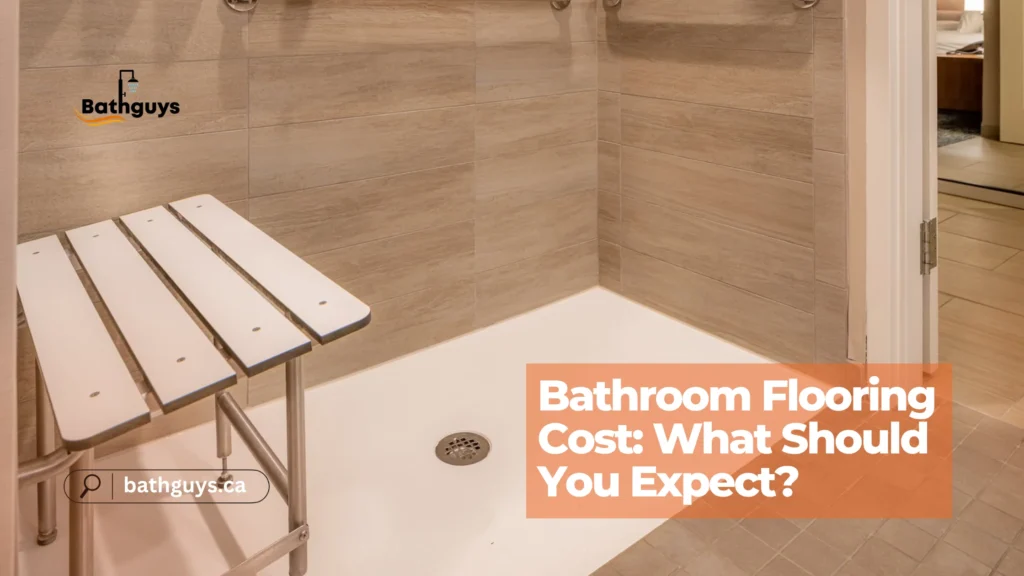
The bathroom flooring cost depends on the type of floor, the size of your bathroom, and the work needed before installation. If you are planning bathroom flooring for renovation, knowing the average price can help you set a clear budget.
Material Costs
Different flooring materials have different prices. Here are some common price ranges:
- Vinyl flooring: Around $2–$7 per sq. ft.
- Luxury vinyl tile (LVT): Around $3–$10 per sq. ft.
- Ceramic tile: Around $3–$10 per sq. ft.
- Porcelain tile: Around $5–$15 per sq. ft.
- Natural stone: Around $8–$20+ per sq. ft.
The final material price can change based on the brand, quality, size, and style you pick.
Installation Costs
The cost of installing the floor is separate from the material price. The amount of work needed can also change the final bill.
- Basic flooring installation can cost around $3–$8 per sq. ft.
- Tile installation can cost around $5–$12+ per sq. ft.
- Removing old flooring may add around $1–$3 per sq. ft.
- Floor repairs or leveling can add around $200–$800+, based on the work needed.
- A small bathroom flooring project may cost around $1,000–$2,500 in total.
- Larger or more complex flooring projects can cost around $2,500–$5,000+.
Budget vs Premium Flooring
Your budget can help you decide which flooring works best for your bathroom.
- Budget: Vinyl flooring is a good option if you want to keep the cost lower.
- Mid-range: Ceramic and porcelain tiles offer good strength and many style options.
- Premium: Natural stone can give your bathroom a high-end look, but it usually costs more.
You do not need to pick the most expensive floor. A good floor should fit your budget and work well with your daily needs.
Factors That Affect the Total Cost
The final price can change based on the size of your bathroom, the floor you pick, and the work needed before installation.
- Bathroom size: A bigger bathroom needs more flooring and labour.
- Flooring type: Vinyl, tile, and natural stone all have different prices.
- Old floor removal: Taking out the old floor adds to the total cost.
- Floor condition: A damaged or uneven floor may need repair before the new floor is installed.
- Installation work: Some flooring takes more time and skill to install.
- Extra work: Heated floors, waterproofing, and subfloor repairs can increase the total price.
- Full renovation: If you are planning a full bathroom renovation GTA project, flooring is only one part of the total budget. Bathroom remodelers Toronto can help plan the flooring along with the rest of the work.
If you are not sure which flooring is right for your bathroom or how much it may cost, contact BathGuys📞+ (416) 877-1879. Our team can help you choose the right flooring based on your space, needs, and budget.
Bathroom Flooring Ideas for Every Style in Toronto and GTA
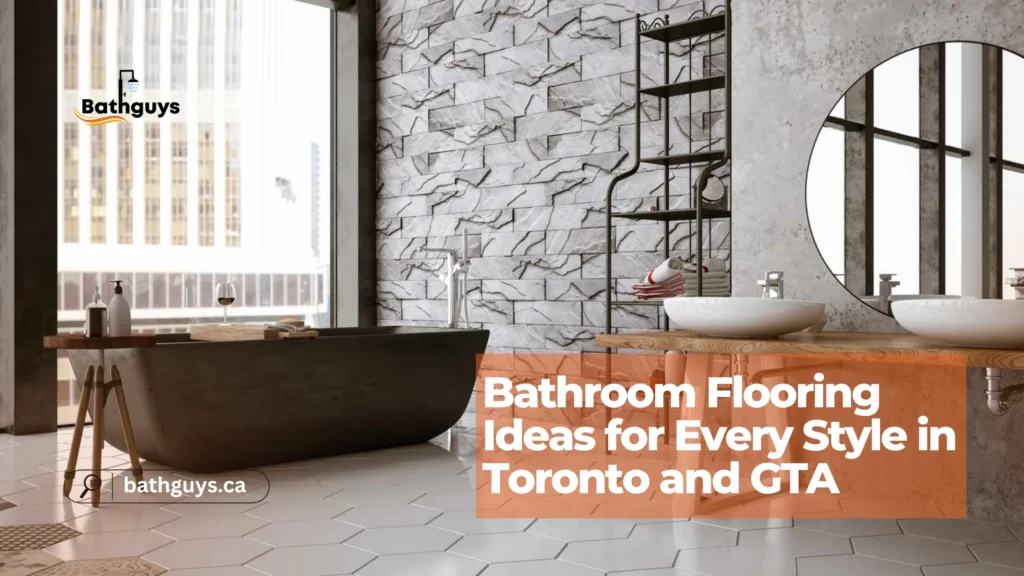
Your bathroom floor can change the look of the whole room. Good bathroom flooring ideas can make your bathroom look clean, warm, modern, or classic. If you need bathroom flooring inspiration for your home in Toronto and the GTA, these simple ideas can help.
Modern Bathrooms
- Modern bathroom renovation flooring looks clean and simple.
- Large tiles in grey, white, beige, or light colours can make the room look fresh.
- Porcelain tiles are a good choice if you want a strong and easy-to-clean floor.
- Keep the floor simple so the room does not look too busy.
Contemporary Bathrooms
- Contemporary bathrooms can use simple floors with a few warm touches.
- Wood-look vinyl can make the room feel warmer and more welcoming.
- Large tiles can make the floor look neat and clean.
- A simple bathroom floor design works well with modern vanities, mirrors, and lights.
Luxury Bathrooms
- Marble-look tiles, natural stone, and large tiles can give your bathroom a rich look.
- Grey, cream, and beige can make the room feel calm and stylish.
- Using the same tile on the floor and shower wall can give the room a smooth look.
- These ideas can work well when you want to remodel or renovate your bathroom with a high-end look.
Traditional Bathrooms
- Traditional bathrooms often look good with warm colours and classic tiles.
- Small tiles or simple patterns can give the bathroom a timeless look.
- Cream, beige, and light grey are easy to match with sinks, tubs, and other bathroom fixtures.
- This style is a good choice if you want to renovate your bathroom without making it look too modern.
Minimalist Bathrooms
- Minimalist bathrooms keep things simple.
- Large tiles in white, beige, or soft grey can make the room feel bigger and more open.
- A simple bathroom floor design with little pattern can keep the room calm and clean.
- Use colours and tiles that match the rest of your bathroom.
When planning a bathroom renovation or remodeling project in Toronto and the GTA, look at the whole room before picking your floor. Make sure the floor matches your walls, vanity, shower, and other features. A simple floor that fits the room can make the whole bathroom look better.
Bathroom Flooring Renovation for All Bathroom Sizes in GTA
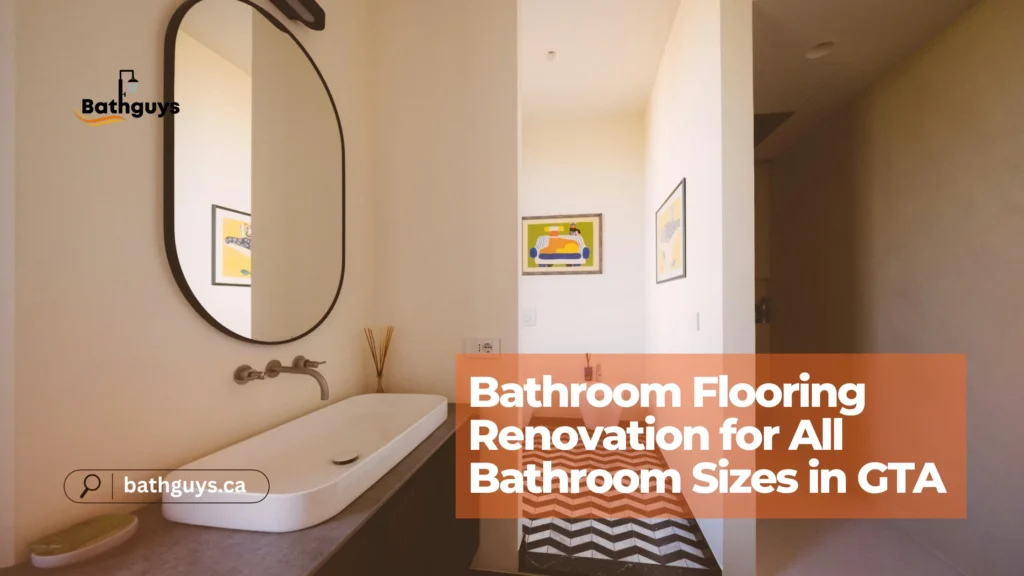
Every bathroom has a different size. A small bathroom needs a floor that makes the room feel open. A bigger bathroom gives you more space to use different floor styles. The best bathroom flooring ideas depend on the space you have and how you use the room.
| Bathroom Size | Good Flooring Choices | Why It Works |
| Small Bathroom | Light tiles, large tiles, or vinyl | Light colours can make the room feel bigger. Simple floors also make the space look clean. |
| Medium Bathroom | Porcelain, ceramic, or vinyl | You have more space to use different colours and simple floor designs. |
| Large Bathroom | Large tiles, stone-look tiles, or simple patterns | Large tiles can make the floor look clean and balanced without too many lines. |
| Family Bathroom | Vinyl, porcelain, or ceramic tile | These floors can handle daily use and are easy to clean. |
| Guest Bathroom | Simple tiles, vinyl, or soft patterns | Simple colours and patterns can give the room a nice look without making it too busy. |
For a bathroom flooring renovation in GTA, start with the size of your bathroom. Then think about how often the room is used and how much care the floor needs.
A small bathroom may look better with light and simple flooring. A larger bathroom gives you more room for bigger tiles or simple patterns. The goal is to pick a floor that looks good, handles water, and works well for your daily needs.
How to Choose Professional Bathroom Flooring Installation
The right floor is important, but good installation is just as important. A good installer can make sure your bathroom floor is flat, safe, and ready for daily water and use.
- Check their work: Look for a team that has good experience with bathroom floors and wet areas.
- Check the floor below: The floor under the new flooring should be clean, flat, and strong. Any damage should be fixed before the new floor is installed.
- Ask about waterproofing: Good waterproofing helps stop water from getting under the floor and causing damage.
- Look at the finish: Tiles or flooring should sit evenly, with clean edges and neat lines.
- Ask about your floor type: Vinyl, ceramic, porcelain, and stone all need different ways of installation. Make sure the installer knows how to work with your chosen floor.
- Think about the long term: Good bathroom flooring installation can help your floor stay strong and look good for many years.
When looking for bathroom flooring installation Toronto, choose a team that can handle the full flooring job from the base to the final finish. For bathroom tile installation Toronto, proper tile placement, grout, and waterproofing are important for a strong and clean floor.
Good installation helps your bathroom floor last longer and keeps it looking neat. It also gives you peace of mind when the floor gets wet during daily use.
Make Your Bathroom Floor Ready for Canadian Winters
The right bathroom floor can make your home safer, warmer, and easier to care for. A good floor should handle water, daily use, and the cold weather found in Toronto and the GTA.
From simple vinyl to strong porcelain tile, you have many bathroom flooring choices for your space and budget. The right material and proper installation can also help your floor last longer.
BathGuys can help you choose the right flooring for your bathroom and make sure it is installed properly. Our team can work with your space, style, and budget to help you get a floor that fits your home.
Ready to update your bathroom floor? Contact BathGuys and get a free quote today.
Frequently Asked Questions About Bathroom Flooring
-
What is the best flooring for a cold Canadian bathroom?
Porcelain tile and waterproof vinyl are both good choices for a cold Canadian bathroom. Porcelain is strong, handles water well, and works with heated floors. Vinyl is softer and warmer under your feet. Your choice can depend on your budget, bathroom use, and the look you want.
-
Is vinyl flooring good for a bathroom?
Yes, waterproof vinyl flooring can be a good choice for bathrooms. It handles water well, is easy to clean, and usually costs less than many tile options. It also feels warmer and softer under your feet. Make sure you choose a product made for wet areas and have it installed properly.
-
What bathroom flooring is safest when wet?
A floor with good grip is safer when your bathroom floor gets wet. Porcelain and ceramic tiles with a textured or matte surface can offer better grip. Smaller tiles can also help because the extra grout lines give your feet more grip. Always clean up standing water to help reduce the risk of slipping.
-
Can you put heated floors under bathroom flooring?
Yes, heated floors can work well with materials such as porcelain, ceramic, and natural stone. They can make tile floors feel much warmer during cold Canadian winters. The flooring and heating system must be suitable for each other, and the system should be installed correctly for safe and long-term use.
-
How much does bathroom flooring cost in Toronto and the GTA?
Bathroom flooring costs can vary based on the material, bathroom size, and installation work. As a general guide, vinyl can cost around $2–$7 per sq. ft., while porcelain can cost around $5–$15 per sq. ft. Installation, old floor removal, and floor repairs can add to the final cost.