A bidet can make your bathroom more comfortable and easier to use, but the cost of installation can vary. A simple bidet attachment may be quick to fit, while a bidet seat or a standalone bidet may need more work.
If you are planning bidet installation in Toronto, it helps to know what you may pay before you buy anything. The total cost can depend on the type of bidet, your existing toilet, plumbing, and the work needed for installation.
In this guide, we will look at bidet installation cost in Toronto, the main types of bidets, what can increase the price, and when you may need professional help.
What Is a Bidet and How Does It Work?
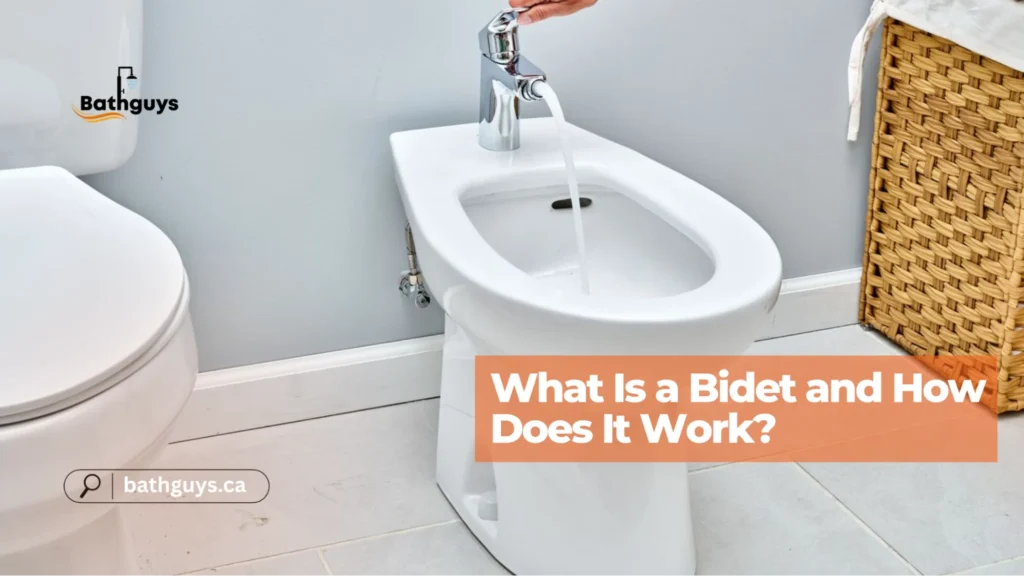
A bidet is a bathroom device that uses water to clean you after using the toilet. Instead of wiping only with toilet paper, a bidet sprays a gentle stream of water for better hygiene and comfort. All homeowners now consider bidet installation in Toronto as an important bathroom upgrade.
Most modern bidets attach directly to your existing toilet. The most common options are bidet toilet seats and bidet attachments. These connect to the toilet’s water supply and include a small nozzle that sprays water when activated.
Using a bidet is simple. After using the toilet, you turn on the bidet using a control knob, button or remote. The nozzle releases a stream of water that cleans the area. When finished, you can dry with a small amount of toilet paper or use the built-in dryer on advanced models.
Some bidets also include helpful features such as adjustable water pressure, warm water cleaning and heated seats. These features make the experience more comfortable, especially during colder months.
Because most bidet seats connect to the existing water line, bidet toilet seat installation is usually quick and does not require major plumbing changes. This makes bidets an easy upgrade for many Canadian bathrooms.
Types of Bidets for Your Toronto Bathroom
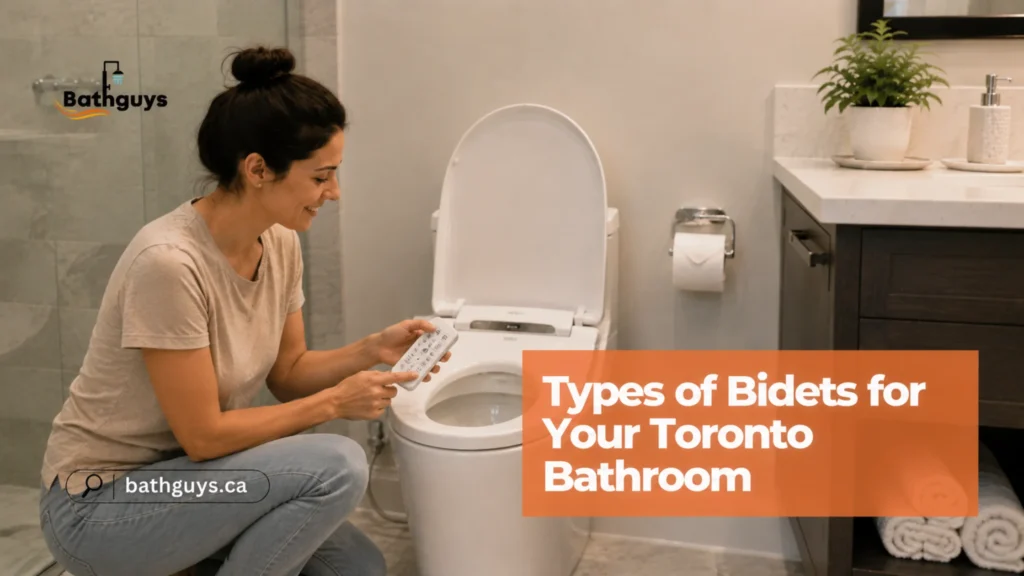
Before you plan bidet installation in Toronto, it helps to know which type will work best for your bathroom. Some options are simple and affordable, while others offer more features or need extra plumbing. Your choice will depend on your budget, toilet type, bathroom space, and the features you want.
Bidet Attachments
A bidet attachment fits under your existing toilet seat. It connects to the toilet’s water supply and uses a small nozzle to spray water for cleaning.
This is one of the simplest and most affordable options. Most attachments use a small control knob, so you can adjust the water flow by hand. They usually do not have features such as heated seats or warm-air drying.
Best for you:
- Simple bathroom upgrades
- Lower budgets
- Basic cleaning
- Easy installation on a standard toilet
Bidet Toilet Seats
A bidet toilet seat replaces your regular toilet seat and adds cleaning features to your existing toilet. Basic models may only use cold water, while electric models can offer more features, such as warm water, a heated seat, adjustable spray settings, and air drying.
Electric models usually need a suitable power outlet near the toilet. Before buying one, check that the seat fits your toilet and that the needed water and power connections are available.
Best for you:
- Everyday comfort
- More cleaning options
- Heated seats and warm water
- Homeowners who want more features
Stand Alone Bidets
A stand-alone bidet is a separate fixture placed next to the toilet. Unlike a bidet attachment or seat, it needs its own water and drain connections. It also takes up more bathroom space.
Because it needs more plumbing work, a stand-alone bidet often makes more sense as part of a bathroom renovation. It can be a good choice if you are already changing the bathroom layout or updating the plumbing.
Best for you:
- Larger bathrooms
- New bathroom layouts
- Full bathroom renovations
- Homeowners who want a separate bidet fixture
Quick Comparison of Bidet Types
| Feature | Bidet Attachment | Bidet Toilet Seat | Stand-Alone Bidet |
| Installation | Simple | Simple to moderate | More involved |
| Cost | Lower | Medium to high | Higher |
| Plumbing work | Usually little | Usually little | More plumbing needed |
| Electrical need | Usually no | Some models need it | Depends on fixture |
| Space needed | No extra space | No extra space | Extra floor space |
| Features | Basic | Basic to advanced | Depends on model |
For many Toronto homes, a bidet attachment or bidet toilet seat is the easiest choice because it works with the existing toilet. A stand-alone bidet needs more space and plumbing, so it is often better suited to a larger bathroom or a planned renovation.
Do You Need a Plumber for Bidet Installation?
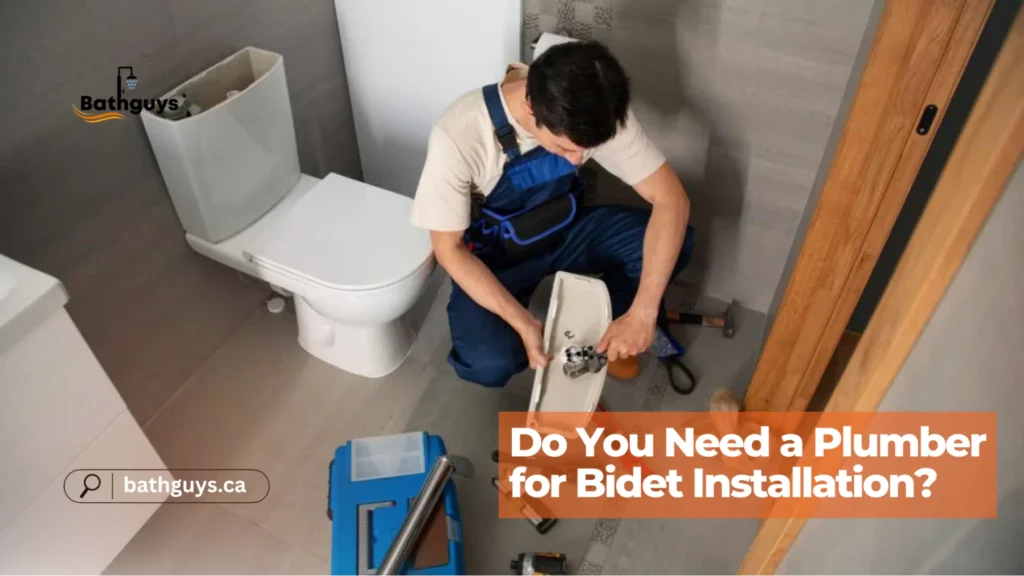
Sometimes, you do not need a plumber to install a bidet. Basic options like bidet attachments and bidet seats connect directly to the toilet’s existing water supply using a T-valve. This makes bidet toilet seat installation simple and possible for all homeowners.
The basic bidet installation process usually includes turning off the water supply, attaching the T-valve, connecting the hose and securing the seat or attachment to the toilet. For standard models, the work can always be completed in about 30 to 60 minutes.
However, hiring a professional is recommended in certain situations. For example, if the shut-off valve is damaged, the water line needs replacement or you are installing a heated bidet seat that requires electrical power.
A plumber is also necessary when installing a stand-alone bidet. This type requires new water supply connections and proper drainage, which involves more complex plumbing work.
If you want to avoid leaks, pressure issues or incorrect connections, all homeowners choose professional bidet installation services. An experienced installer can ensure the unit is connected properly and working as expected.
How Bidet Installation Works
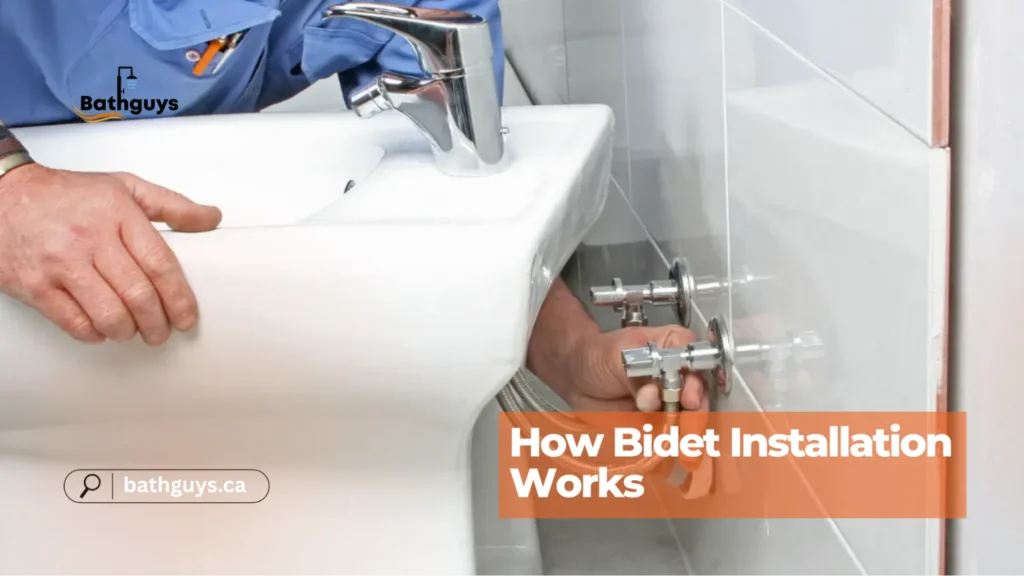
The bidet installation process is usually simple when installing a bidet seat or attachment on an existing toilet. These units connect to the toilet’s water supply and do not require major plumbing changes in most homes.
Below are the basic steps involved in a standard toilet bidet seat installation.
1. Turn Off the Water Supply
The first step is turning off the water supply valve behind the toilet. This prevents water flow while the connection is being adjusted. The toilet tank may also be flushed to empty remaining water.
2. Install the T-Valve Connection
A T-valve is attached to the toilet’s water supply line. This valve allows water to flow both to the toilet tank and the bidet unit. This connection is an important part of the bidet installation process.
3. Attach the Bidet Seat or Attachment
Next, the existing toilet seat is removed. The bidet seat or attachment is then positioned and secured to the toilet bowl using the mounting plate provided with the unit.
4. Connect the Water Hose
A flexible hose connects the bidet to the T-valve. Once connected, the water supply is turned back on and the connections are checked to ensure there are no leaks.
5. Test the Bidet
The final step is testing the unit. The spray nozzle, water pressure, and controls are checked to confirm everything is working properly.
For most homes, bidet toilet seat installation takes about 30 to 60 minutes. More complex setups, such as stand-alone bidets, may take longer because they require additional plumbing work.
Bidet Installation Cost in Toronto (2026 Guide)
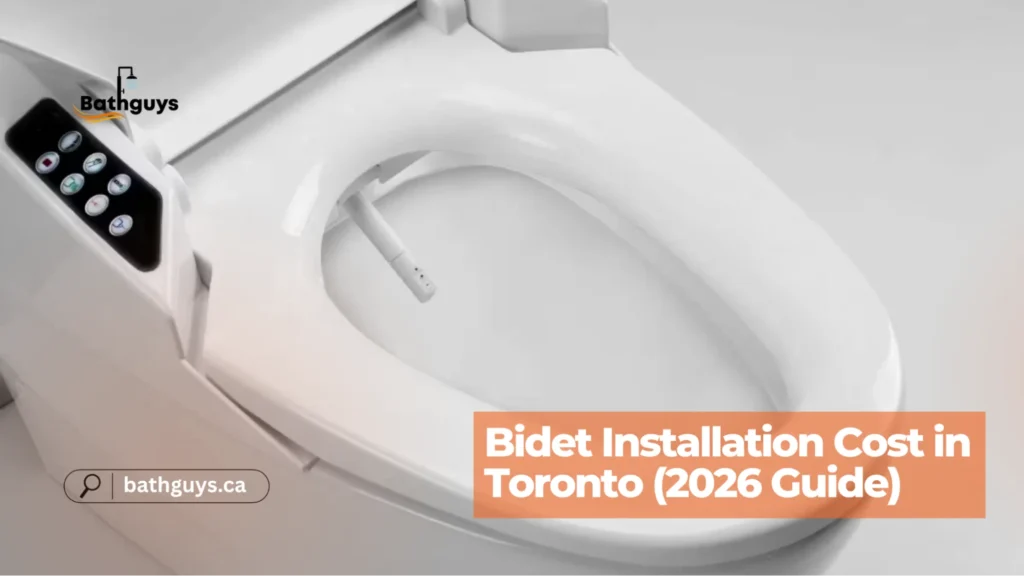
The bidet installation cost in Toronto depends on the type of bidet you choose and how complex the installation is. Simple updates like attachments or bidet seats usually cost less because they connect to the existing toilet plumbing. A stand-alone bidet costs more since it requires new water lines and drainage.
For most homes, the biggest factors that affect the bidet installation cost include the bidet model, plumbing adjustments, and labour charges. Basic installations are quick, while more complex setups may require additional plumbing work.
Average Bidet Installation Price
Below is a general estimate of the average bidet installation price based on common installations.
| Bidet Type | Unit Cost | Installation Cost | Estimated Total |
| Bidet attachment | $60 – $200 | $100 – $200 | $160 – $400 |
| Bidet toilet seat | $200 – $900 | $150 – $300 | $350 – $1,200 |
| Stand-alone bidet | $300 – $1,500 | $400 – $900+ | $700 – $2,400+ |
These ranges give homeowners a realistic idea of the cost to install a bidet toilet seat or other bidet types.
Factors That Affect Bidet Installation Cost
Several things can influence the final bidet installation service cost.
Type of bidet: Attachments and seats are easier to install, while stand-alone units require additional plumbing work.
Plumbing condition: If the shut-off valve or water line needs replacement, the cost may increase.
Electrical requirements: Some advanced models with warm water or heated seats may need a nearby electrical outlet.
Installation complexity: A simple toilet bidet seat installation may take less than an hour, while larger upgrades may take longer.
Cost Tips for Homeowners
If you want to keep your bidet installation service cost under control, a bidet seat or attachment that uses your existing toilet plumbing can be a simple choice. These options usually do not require major changes to your bathroom.
If you are planning other bathroom work at the same time, it is also helpful to look at your overall budget. Our guide to bathroom renovation costs in Toronto can help you plan the cost of a larger bathroom project before you get started.
Benefits of Installing a Bidet in Your Bathroom
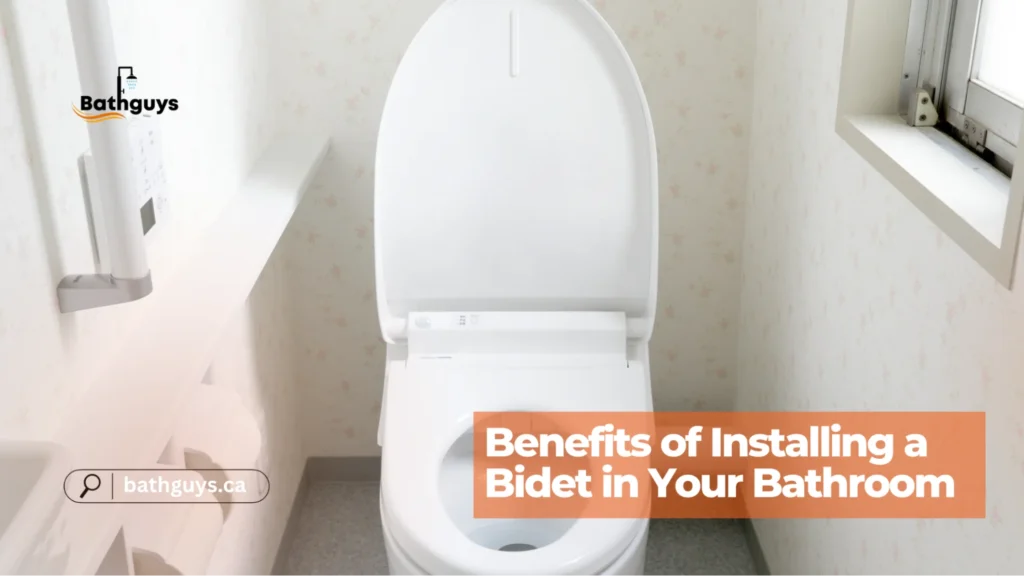
All homeowners choose bidet installation in Toronto because it improves daily hygiene and adds comfort to the bathroom. A bidet uses water instead of only toilet paper, which provides a cleaner and gentler washing experience.
Below are some practical benefits of adding a bidet to your bathroom.
Better Hygiene
Water cleaning removes more residue than dry toilet paper. A bidet washes the area gently, which helps improve personal hygiene and reduces irritation. This is one reason many people switch to bidet toilet seat installation in their homes.
Less Toilet Paper Use
Bidets help reduce toilet paper consumption. All households notice they use much less paper after installing a bidet. This makes it a practical eco friendly bathroom upgrade that also lowers household supply costs.
More Comfort for Daily Use
Bidets are gentle on the skin and can be helpful for people with sensitive skin or mobility concerns. Modern bidet seats also offer features such as adjustable water pressure, warm water washing, and heated seats, which improve comfort during daily use.
A Simple Bathroom Upgrade
Most bidet seats and attachments connect to the existing toilet water line. Because of this, bathroom bidet installation is usually quick and does not require major construction. All homeowners add a bidet as a small but useful bathroom bidet upgrade without changing the entire bathroom layout.
Plan Your Bidet Installation in Toronto With Confidence
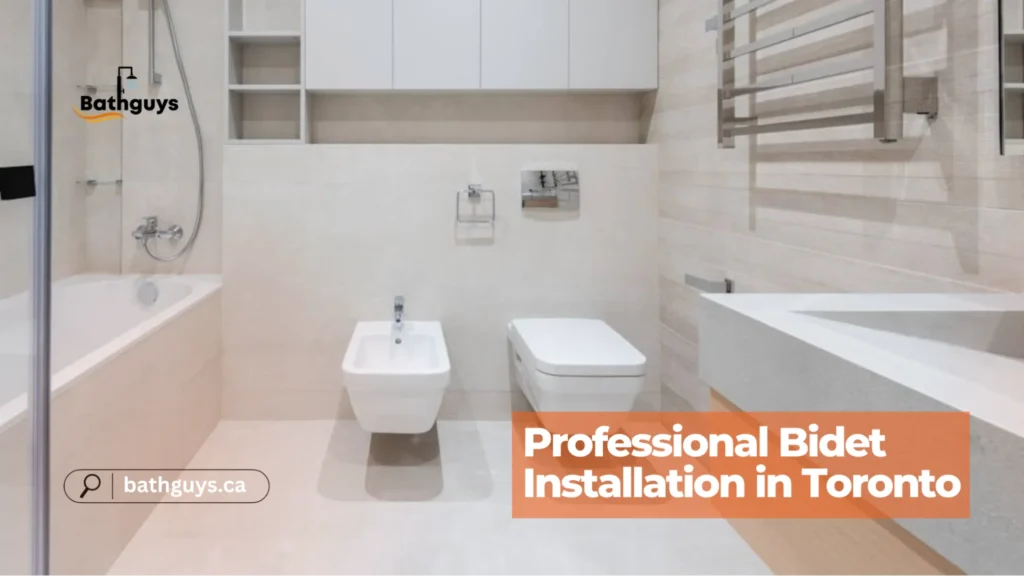
Adding a bidet does not have to be a big bathroom project. The right option can give you more comfort without changing your whole bathroom. Your bidet installation cost in Toronto will depend on the type of bidet, your toilet, the plumbing, and any extra work needed.
If you are ready to add a bidet to your bathroom, BathGuys can help. Our team can check your setup, handle the installation, and help you avoid common plumbing issues. Call BathGuys at 📞+14168771879 to talk about your project and get a quote.
FAQs About Bidet Installation Cost in Toronto
-
How much does bidet installation cost in Toronto?
The bidet installation cost in Toronto depends on the type of bidet and the condition of your existing plumbing. A simple attachment usually costs less to install than an electric bidet seat or a separate bidet fixture. Extra work, such as replacing an old shut-off valve or adding an electrical outlet, can also raise the price. It is best to get a quote based on your toilet and bathroom setup.
-
Do I need a plumber to install a bidet toilet seat?
A basic bidet attachment or seat may be simple to fit if your toilet already has a suitable water connection. However, professional help can be a good choice if the shut-off valve is old, the water line needs work, or the installation needs plumbing changes. Electric bidet seats may also need a suitable GFCI-protected outlet, so electrical work should be handled separately by a qualified professional when needed.
-
Does a bidet toilet seat need electricity?
Not every bidet seat needs electricity. Basic non-electric models can work with the toilet’s water supply and do not need a power outlet. Electric bidet seats need power for features such as warm water, a heated seat, or an air dryer. If your bathroom does not have a suitable outlet near the toilet, adding one can increase the total project cost.
-
How long does it take to install a bidet?
The time needed for bidet installation depends on the type of unit and your bathroom setup. A basic attachment or bidet seat with ready plumbing can be a fairly quick job. More time may be needed if the shut-off valve has to be replaced, the plumbing needs changes, or an electrical outlet must be added. A separate bidet takes longer because it needs its own water and drain connections.
-
Can a bidet be installed on any toilet?
Not every bidet seat or attachment will fit every toilet. Before buying one, check the toilet’s shape, mounting-hole spacing, available space, and the product’s fit guide. Some toilets have designs that can make installation harder. Checking these details first can help you avoid buying a bidet that does not fit your toilet or needs extra work to install.