Water damage can sneak up on you – starting off small but quickly turning into a massive costly headache well before you even know what hit you. There are a lot of folks in Richmond Hill who have to deal with leaks, damp walls, and mold issues because they made careless mistakes during a renovation that not so cleverly bypassed waterproofing. These problems can ruin tiles, make your walls a weaker version of themselves, and before long have you looking at an expensive repair bill to fix – if you’re unlucky enough to ignore them. That’s what’s at stake with common bathroom waterproofing mistakes in Richmond Hill it’s time to be smart about protecting your home
In this blog, we are going to take a close look at the renovation howlers that see most common bathroom waterproofing mistakes go off the rails.
Why Proper Bathroom Waterproofing Matters in Richmond Hill Homes
Bathrooms have more moisture going on in them than any other room in the house, no contest. Without proper waterproofing, water seeps silently behind tiles, under floors, and into walls. In Richmond Hill, this often leads to hidden leaks, water damage, and mold that can quietly eat away at the very structure of the house. It’s not uncommon to see a whole list of common bathroom waterproofing mistakes in Richmond Hill because, plain and simple, homeowners have overlooked how to properly protect against moisture during their renovation.
When it comes down to it, you need a good waterproofing system that acts like a shield to stop water spreading from areas like showers, tubs, and floors where it’s most likely to get wet. This protects your tiles from damage, your wood from rotting, your paint from peeling and so on. Not to mention preventing costly repairs later on down the line. Proper waterproofing will also boost your indoor air quality by reducing damp conditions that cause those nasty mold and mildew problems. And when you do it right, the outcome is your renovation will last for years without getting bogged down with moisture-related problems, your home stays safe, and your investment is secure.
Common Bathroom Waterproofing Mistakes in Richmond Hill
Many bathroom problems start with a small waterproofing mistake that you might overlook during renovation. These typical common bathroom waterproofing mistakes errors in Richmond Hill can quietly lead to water damage, mold growth, and a big repair bill if you don’t catch them early on.
Skipping waterproofing behind tiles
Tiles and grout are not fully waterproof. When moisture passes through grout lines, it reaches the wall or floor underneath, causing long-term damage.
Using the wrong waterproofing materials
Not all waterproofing products work for every bathroom area. Using low-quality or incorrect membranes often results in cracks, peeling, and leaks over time.
Poor shower pan and drain sealing
Improper slope or loose drain connections allow water to collect and leak under the floor, leading to hidden structural damage.
Ignoring high-risk wet areas
Corners, joints, bathtub edges, and shower niches need extra protection. These spots are common sources of leaks when waterproofing is incomplete.
Lack of surface preparation
Applying waterproofing on dusty, uneven, or damp surfaces prevents proper bonding. This causes waterproofing layers to fail much sooner than expected.
Avoiding these waterproofing errors helps protect Richmond Hill bathrooms from moisture problems and ensures renovations last longer without hidden water damage.
Also Read: Top 5 Bathroom Renovation Ideas for Richmond Hill Homes
Hidden Waterproofing Errors That Lead to Water Damage and Mold Growth
Some of the biggest bathroom problems come from hidden waterproofing issues that you’re not even aware of at first. These sneaky errors can go on for weeks or even months before water damage or mold growth becomes bad enough to notice. And often they’re linked back to the same old common bathroom waterproofing mistakes in Richmond Hill homes.
Poor bathroom ventilation
Even with proper waterproofing, trapped moisture can build up if ventilation is weak. Excess humidity allows moisture to settle behind walls and ceilings, creating ideal conditions for mold growth.
Incorrect waterproofing thickness or coverage
Waterproofing layers must be applied evenly and at the right thickness. Thin or uneven application leaves gaps where water can pass through and damage surfaces underneath.
Improper sealing around fixtures and fittings
Areas around toilets, vanities, shower valves, and plumbing lines are often overlooked. Water entering these gaps slowly spreads into walls and floors, causing hidden leaks.
Using non-certified or low-grade materials
Low-quality waterproofing products may fail quickly, especially in wet areas like showers. This increases the risk of moisture buildup, mold growth, and long-term structural damage.
Addressing these hidden waterproofing errors early helps prevent costly repairs and protects bathrooms in Richmond Hill from ongoing moisture-related problems.
How to Avoid Bathroom Waterproofing Mistakes in Richmond Hill
Stopping water damage the second time around starts with getting it right from the get-go. There are a fair number of common bathroom waterproofing mistakes in Richmond Hill that can be sidestepped by sticking to some tried and true practices that protect bathrooms from dampness and leaks.
Use proper waterproofing systems for wet areas
Showers, tub surrounds, and bathroom floors need complete waterproofing systems, not just tiles and grout. Applying the correct waterproofing membrane creates a strong barrier that stops water from reaching walls and subfloors.
Prepare surfaces before waterproofing
Clean, dry, and level surfaces help waterproofing products bond properly. Skipping surface preparation is one of the main causes of waterproofing failure and future water damage.
Seal all joints, corners, and penetrations
Extra care should be taken around corners, drains, shower niches, and plumbing fixtures. Proper sealing in these high-risk areas prevents hidden leaks and mold growth.
Ensure proper bathroom ventilation
Good airflow removes excess moisture from the bathroom. Exhaust fans help reduce humidity levels and protect waterproofed surfaces from long-term moisture buildup.
Work with experienced bathroom waterproofing professionals
Professional installers understand local building standards and use certified materials designed for long-term performance. This reduces the risk of waterproofing errors and ensures bathroom renovations last for years without moisture problems.
DIY vs Professional Bathroom Waterproofing — What Richmond Hill Homeowners Should Know
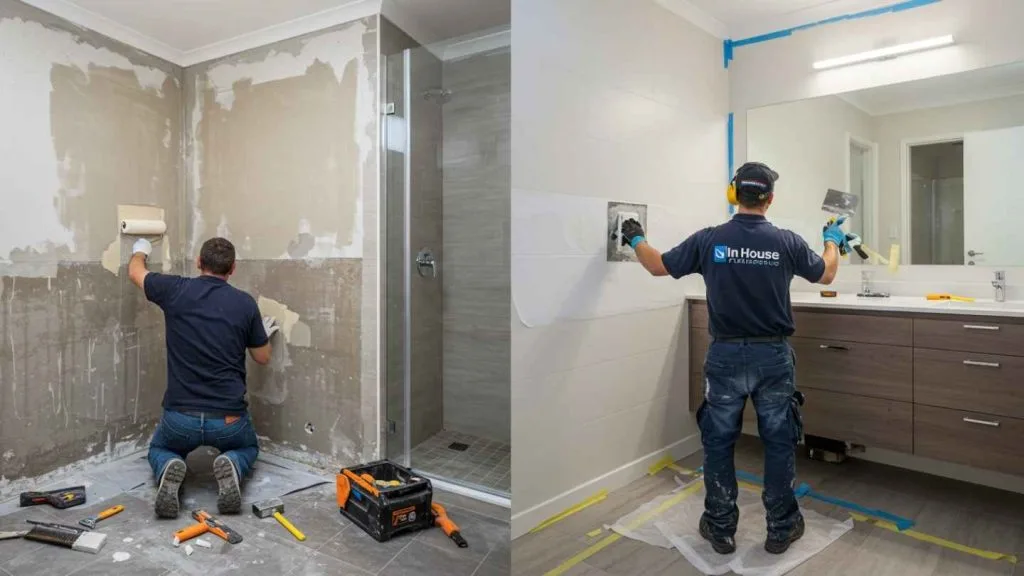
Lots of homeowners try to use DIY waterproofing to save some cash on renovations, but bathroom waterproofing requires some proper techniques and materials. One little slip-up in the application or sealing stage can quickly turn into leaks, water damage and mold growth – and these problems are all too common among bathroom waterproofing mistakes in Richmond Hill – especially when waterproofing has been done by someone who doesn’t know what they’re doing.
The Limitations of DIY Bathroom Waterproofing
- Essentially, if you get the waterproofing thickness wrong, you’re leaving gaps for water to get through.
- Not sealing the joints, corners and drain areas properly just increases the chances of hidden leaks.
- Store-bought products may not be up to the job of providing long-term protection in wet areas.
Why You Should Work With a Pro for Bathroom Waterproofing
- They use certified waterproofing systems designed for high-moisture zones – not just what you can pick up at the local hardware store.
- They know how to seal those showers, floors and plumbing fixtures right.
- It reduces the risk of water damage, mold growth and costly repairs down the line.
Why Hiring a Local Bathroom Waterproofing Expert in Richmond Hill Matters
Bathroom waterproofing is never cut and dried, and what works in one home just won’t do in another. Richmond Hill homes each have their own unique layout, moisture levels, and renovation quirks that require contractors with some serious local know-how. The fact is, many of the most common bathroom waterproofing mistakes in Richmond Hill boil down to contractors or DIY types who just don’t get local building standards, or who aren’t aware of the kinds of moisture issues that commonly pop up in the area.
Local expertise makes a real difference
- They’ve got a deep understanding of Richmond Hill building codes and renovation rules of thumb.
- A lot of Richmond Hill homes are condos or older properties – local pros know how to tackle those challenges.
- They get what can go wrong with water damage and mold growth – and how to prevent it.
Getting the right help makes life a lot easier in the long run
- It’s way easier to get a local expert to look at a problem, or for some follow-up support.
- They use the right waterproofing materials for the job, ones that have been certified for use in our local conditions.
- That cuts down on the chances of a waterproofing error that leads to costly leaks and repairs down the line.
Hiring a local bathroom waterproofing expert means you get a proper job done, with protection that lasts – and with a whole lot less stress. Really, it’s one of the smartest ways to avoid bathroom waterproofing problems and keep your Richmond Hill home safe from water damage.
Conclusion
Bathroom waterproofing plays a huge role in keeping your home safe from leaks, water damage, and mold growth. And when it all comes down to it, it’s the small errors that can slip through the cracks if you’re not paying attention. By taking the time to learn about common bathroom waterproofing mistakes in Richmond Hill, you can avoid costly repairs and long-term damage to your home. Proper materials, installed right the first time, and a little attention to areas that are prone to water – that makes a huge difference. And it’s not just about keeping your bathroom comfy – it’s about keeping the air inside your home clean, and your property value safe.
FAQs
-
What are the most common bathroom waterproofing mistakes in Richmond Hill?
The biggest blunders are usually skipping the waterproofing behind tiles, sealing around drains like they should be, and using the wrong materials all together. And if you get those sorts of errors wrong, they can let water into walls and floors – and that just leads to water damage and mold growth over time.
-
Can bathroom waterproofing mistakes lead to mold problems?
Yeah, if you mess up your waterproofing, moisture gets trapped inside walls and under floors – and that’s all the invitation mold and mildew need to start growing. That’s bad news for indoor air quality, and for your health.
-
Is bathroom waterproofing required during renovation?
Yes, you need to be waterproof in wet areas like showers, tubs, and floors. And the reason you do is because it helps meet local building standards – and keeps you from getting leaks that can damage your home.
-
Do I need to fix waterproofing issues right away?
The sooner you fix those problems, the better off you’ll be. Delaying repairs just lets water damage spread, and increases the cost of repairs way down the line. Getting on top of it early helps protect your bathroom, and stops further moisture-related issues.
-
Is professional waterproofing better than trying to DIY it?
Absolutely. Professionals have the training, the experience, and the knowledge to use the right materials and do the job right. That means you get stronger protection against leaks, water damage, and future waterproofing failures.